Agentic AI Exchange
From Pilot to Production: Turning Agentic AI Vision into Governed, Scalable, Measurable Reality
San Diego, California | April 29 - May 1, 2026
Agenda Day 1
Tools and Infrastructure
12:00 pm - 12:45 pm
EST
CONFERENCE REGISTRATION OPENS
12:45 pm - 12:50 pm
EST
OPENING REMARKS AND DELEGATE ORIENTATION
12:50 pm - 1:00 pm
EST
CHAIR WELCOME
1:00 pm - 1:25 pm
EST
ICE BREAKER
1:25 pm - 1:55 pm
EST
KEYNOTE: Building Trusted Multi-Agent Systems: AI-Ready Data, Open Protocols, and Interoperable Execution
Ranjan Sinha Ph.D. -
IBM Fellow and CTO, Software Innovation Lab,
IBM
- Transforming enterprise data into grounded, AI-ready context
- Connecting people, agents, and tools through open protocols
- Making execution portable across systems with interoperability layers like Substrait
- Using observability, validation, policy control, and repair loops to make production agents trustworthy

1:55 pm - 2:25 pm
EST
PANEL DISCUSSION: Discussing Companies' Real-World Approaches to Move from Single Agent to Autonomous Multi-Agent Systems – Obstacles, Opportunities and Successes
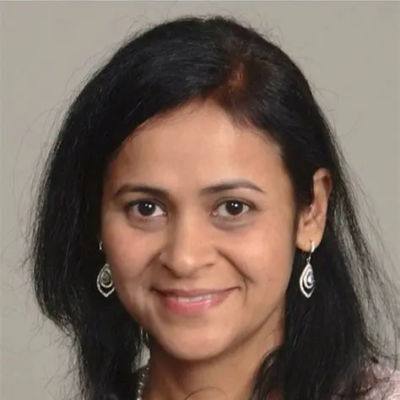
Mathew Paruthickal -
Global Head, Data Architecture, Utilization, & AI Engineering,
Opella US (a Sanofi company)
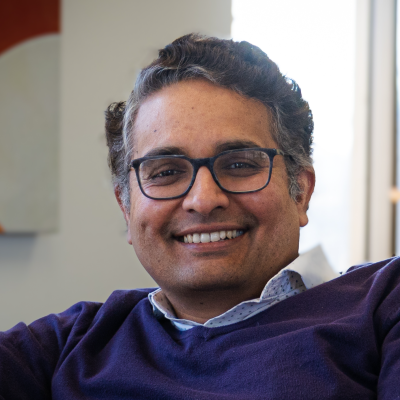
Jyoti Chawla - CTO & Chief Architect CX Americas, Cisco
Krishna Gade - Founder and CEO, Fiddler
• Determining organizational readiness: infrastructure, data, and orchestration capabilities required to support multi-agent systems at scale
• Where today’s agentic tooling falls short and what must evolve for true autonomy
• Governance, risk, and human-in-the-loop considerations for safe autonomous collaboration
• Communication, coordination, and conflict resolution strategies among agents
• Key design trade-offs: centralized vs. decentralized control
• Practical lessons from real-world implementations
• Tips for charting a roadmap from single agents to fully coordinated, enterprise-grade agent ecosystems

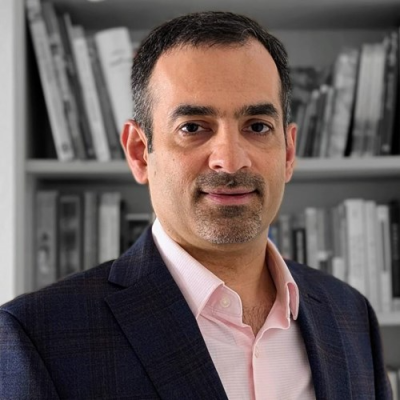
Mathew Paruthickal
Global Head, Data Architecture, Utilization, & AI EngineeringOpella US (a Sanofi company)
2:30 pm - 2:50 pm
EST
KEYNOTE: From Pilots to Production: Making Enterprise AI Deliver Real ROI
Sean Thompson -
RVP - West,
Unframe
- AI ROI gap is an execution problem, not a tech problem. Most initiatives fail because they aren't tied to clear business outcomes or fully deployed into productionAI ROI gap is an execution problem, not a tech problem. Most initiatives fail because they aren't tied to clear business outcomes or fully deployed into production
- Real value comes from automation, not adoption. Impact happens when AI is embedded end-to-end in workflows and measured by revenue, cost, and efficiency gains
- Winners focus and scale what works. Most prioritize high-impact use cases, protect strategic work, and expand from one proven workflow to drive enterprise-wide ROI• AI ROI gap is an execution problem, not a tech problem. Most initiatives fail because they aren't tied to clear business outcomes or fully deployed into productionWinners focus and scale what works. Most prioritize high-impact use cases, protect strategic work, and expand from one proven workflow to drive enterprise-wide ROI• AI ROI gap is an execution problem, not a tech problem. Most initiatives fail because they aren't tied to clear business outcomes or fully deployed into production

2:50 pm - 3:20 pm
EST
NETWORKING BREAK
3:20 pm - 4:20 pm
EST
ROUNDTABLES
Neil Aronson -
Global Head and Senior Director Strategic Sourcing & Vendor Risk,
Coinbase
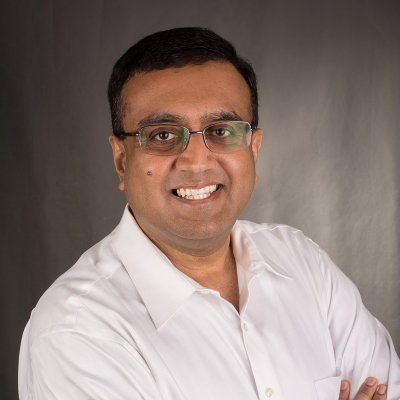
Gopal Renganathan - Senior Director, Data & Analytics, Compass International Holdings
Ajay Kumar - Chief Information Officer, Zero Motorcycles
Ahmad Fattahi - Executive Director, Generative AI, Genentech
1.ROUNDTABLE: Innovate Boldly, Govern Carefully: Navigating Vendor Risk in Agentic AI
Led by Neil Aronson, Global Head and Senior Director Strategic Sourcing & Vendor Risk Management, Coinbase
As organizations rapidly adopt agentic AI, expanding the vendor ecosystem can accelerate innovation, but also introduce new layers of risk. This roundtable explores how leaders can balance speed to market with responsible vendor selection, governance, and oversight. Participants will discuss practical approaches to evaluating AI vendors, managing security and compliance, and avoiding vendor lock-in without slowing progress. Join peers to share real-world lessons on building a resilient, scalable, and trusted AI partner ecosystem.
2. ROUNDTABLE: Evolving Team Structures for the Age of Agentic AI
Led by Ahmad Fattahi, Executive Director, Gen AI, Genentech
As agentic AI systems move from copilots to autonomous collaborators, organizations must rethink how teams are structured, managed, and scaled. This roundtable explores how to prepare an organization culturally for these changes. Join fellow leaders to discuss role redesign, decision rights, governance, and performance metrics.
3. ROUNDTABLE: Trust at Scale: The Human Architecture Behind Enterprise Agentic AI
Led by Gopal Renganathan, Senior Director, Data & Analytics, Compass International Holdings
This roundtable explores the full lifecycle of human oversight in agentic AI systems from initial training and evaluation to real-time monitoring, correction, and retraining to measurement of human judgement. We'll assess oversight models by risk profile, organizational readiness of roles, tools and thresholds for human intervention, as well as impact of human oversight on enterprise confidence, compliance and time to value. Join other practitioners discussing regulatory and audit expectations, and alignment of enterprise governance with standards and risk frameworks. Walk away with practical insights on how to quantify human error risk and design of oversight workflows to minimize it.
4. ROUNDTABLE: How to Build the Business Case and ROI Payback Timeline for Agentic AI
Led by Ajay Kumar, CIO, Zero Motorcycles